What is "Libido" & What is "Stamina"
In sexual health,Libido refers to your internal motivation or "hunger" for sex,while Stamina refers to your physical and mental ability to sustain that activity once it begins.
Key Differences:
Feature-Libido[sex drive]--Definitions:Your level of desire,interest and "appetite"for sexual activity.--Primary Focus: The mental and emotional urge to have sex.--Common Issues:Feeling "not in the mood" or having few sexual fantasies.
stamina[Endurance]--Definitions:How long or well you can stay physically and mentally engagaged.Primary Focus:The physical performance and control over climax.Common Issues;Premature ejaculation,erectile dysdunction,or getting physically tired.
Libido:The "Will": Libido is your sexual instinct.It is often described as a psychological energy that fluctuates based on various factors:
Hormones:Testosterone and dopamine are primary drivers of desire in all gendres.Psychology:Stress, Anxiety,and depression can significantly lower your interest in sex.Relashionships:Emotional connection and communication quality often dictate how much you desire a partner.Normal Level:There is no universal"normal";libido varies naturally from person to person and cahnges with age.
Stamina: The "Way" Sexual stamina is the amount of time you can engage in sex before needing to stop or reaching climax.It involves-- Physical endurance:General fitness affects how long you can perform without getting exhausted.Ejaculatory Control; For men,stamina often refers to how long an erection last before orgasms,with the average duration being between 3 to 7 minutes.Recovery[Refractory Period]:This is the time needed after an orgasms before you can become sexually active again,which is typically lengthens with age.Mental Focus :Being able to stay present and connected without getting distracted or overstimulated.
Nasal Breathing, Nitric Oxide, and Erectile Dysfunction
Why the Way You Breathe Matters for Pelvic Health
Breathing is automatic. Yet, how you breathe can significantly influence blood circulation, oxygen delivery, vascular health, and even erectile function.
One small molecule connects all of this: nitric oxide (NO).
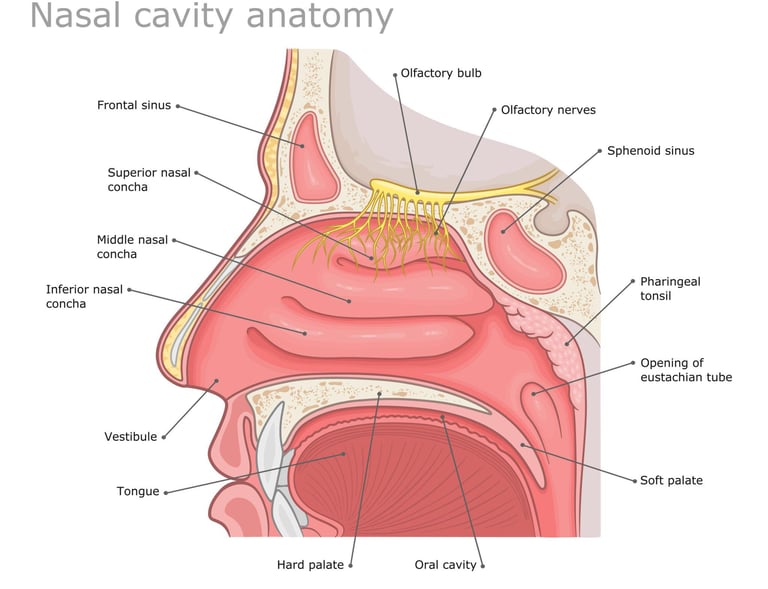
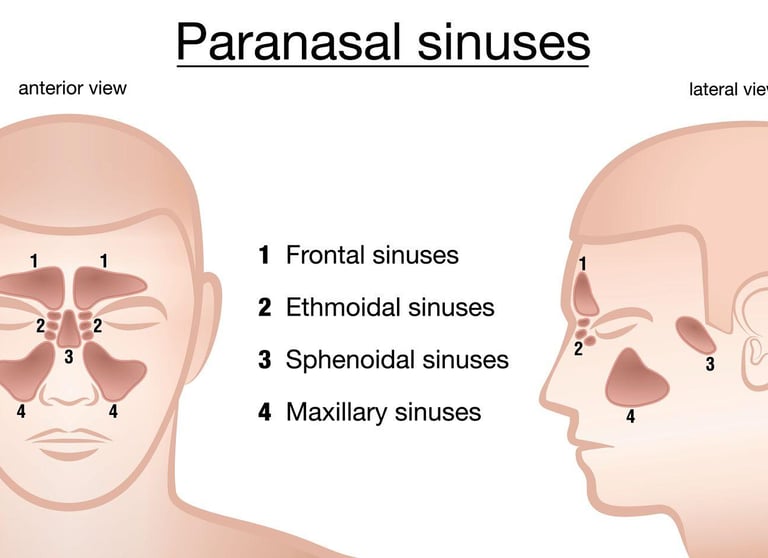
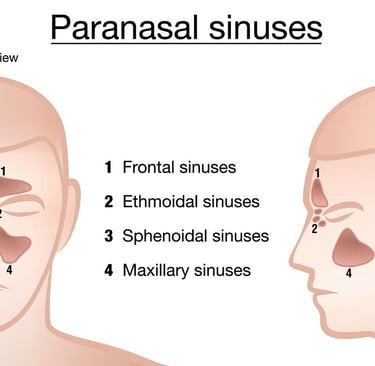
The nasal cavity and paranasal sinuses produce nitric oxide, a powerful signaling molecule.
When you breathe through your nose:
Nitric oxide is released from the sinuses
It travels with inhaled air into the lungs
It enhances oxygen uptake
t enters the bloodstream and supports vascular function
Mouth breathing bypasses this process almost completely.
Erection is primarily a vascular event.
During sexual stimulation:
Nitric oxide is released in penile tissue
Blood vessels relax
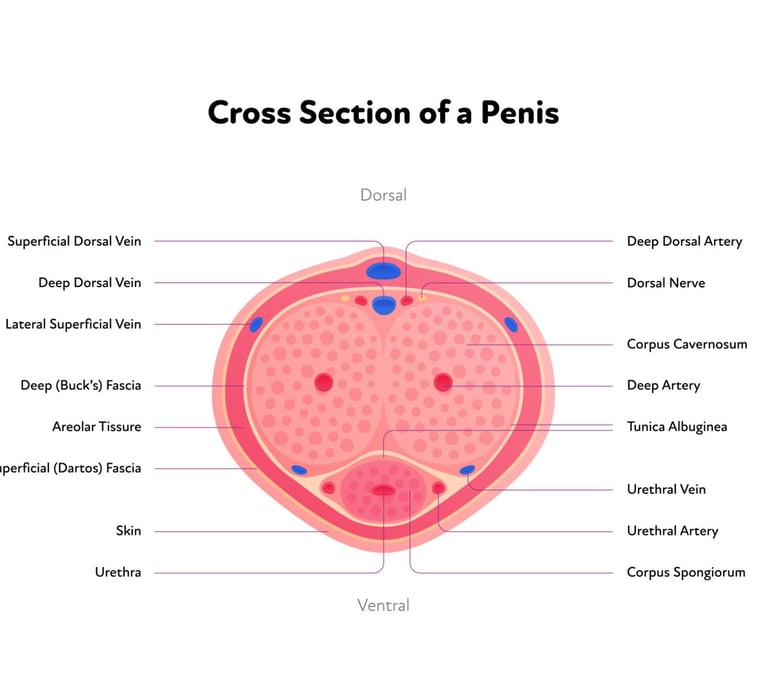
Blood flows into the corpus cavernosum
The penis becomes firm and erect
If nitric oxide production is reduced, blood vessels cannot dilate efficiently. The result may be:
Difficulty achieving erection
Difficulty maintaining erection
Weaker rigidity
Erectile dysfunction (ED) is often an early sign of endothelial dysfunction — meaning the blood vessels are not functioning optimally.
. How Nasal Breathing May Support Erectile Health
Nasal breathing contributes indirectly to erectile function through several mechanisms:
✔ Increased Nitric Oxide Delivery
The nose continuously produces nitric oxide. Nasal breathing increases NO levels compared to mouth breathing.
✔ Improved Oxygenation
Better oxygen exchange improves vascular performance.
✔ Reduced Sympathetic Overactivity
Mouth breathing is associated with stress physiology. Chronic sympathetic activation can impair erection.
✔ Better Blood Pressure Regulation
Healthy vascular tone supports both pelvic circulation and erectile capacity.
During sexual stimulation:
Nitric oxide is released in penile tissue
Blood vessels relax
Blood flows into the corpus cavernosum
The penis becomes firm and erect
If nitric oxide production is reduced, blood vessels cannot dilate efficiently. The result may be:
Difficulty achieving erection
Difficulty maintaining erection
Weaker rigidity
Erectile dysfunction (ED) is often an early sign of endothelial dysfunction — meaning the blood vessels are not functioning optimally.
How Nasal Breathing May Support Erectile Health
Nasal breathing contributes indirectly to erectile function through several mechanisms:
✔ Increased Nitric Oxide Delivery
The nose continuously produces nitric oxide. Nasal breathing increases NO levels compared to mouth breathing.
✔ Improved Oxygenation
Better oxygen exchange improves vascular performance.
✔ Reduced Sympathetic Overactivity
Mouth breathing is associated with stress physiology. Chronic sympathetic activation can impair erection.
✔ Better Blood Pressure Regulation.
Healthy vascular tone supports both pelvic circulation and erectile capacity.
The Pelvic Floor Connection
The pelvic floor muscles help:
Maintain penile rigidity
Support venous occlusion during erection
Control ejaculation
However, even a strong pelvic floor cannot compensate for poor vascular inflow.
Optimal erectile function requires both:
Healthy blood vessels (nitric oxide dependent)
Functional pelvic floor muscles
Breathing mechanics also influence pelvic floor activity. Proper diaphragmatic nasal breathing improves coordination between:
Diaphragm
Abdominal wall
Pelvic floor
This coordination supports pelvic stability and sexual function.
Practical Advice
To support nitric oxide production and erectile health:
Practice nasal breathing during the day
Avoid chronic mouth breathing
Perform slow diaphragmatic breathing exercises
Address nasal obstruction if present
Combine breathing training with pelvic floor strengthening
Erectile function is not only a pelvic issue — it is a vascular and respiratory issue.
Nasal breathing enhances nitric oxide availability.
Nitric oxide improves blood vessel dilation.
Healthy blood vessels are essential for erection.
Sometimes, improving how you breathe may support how you perform.


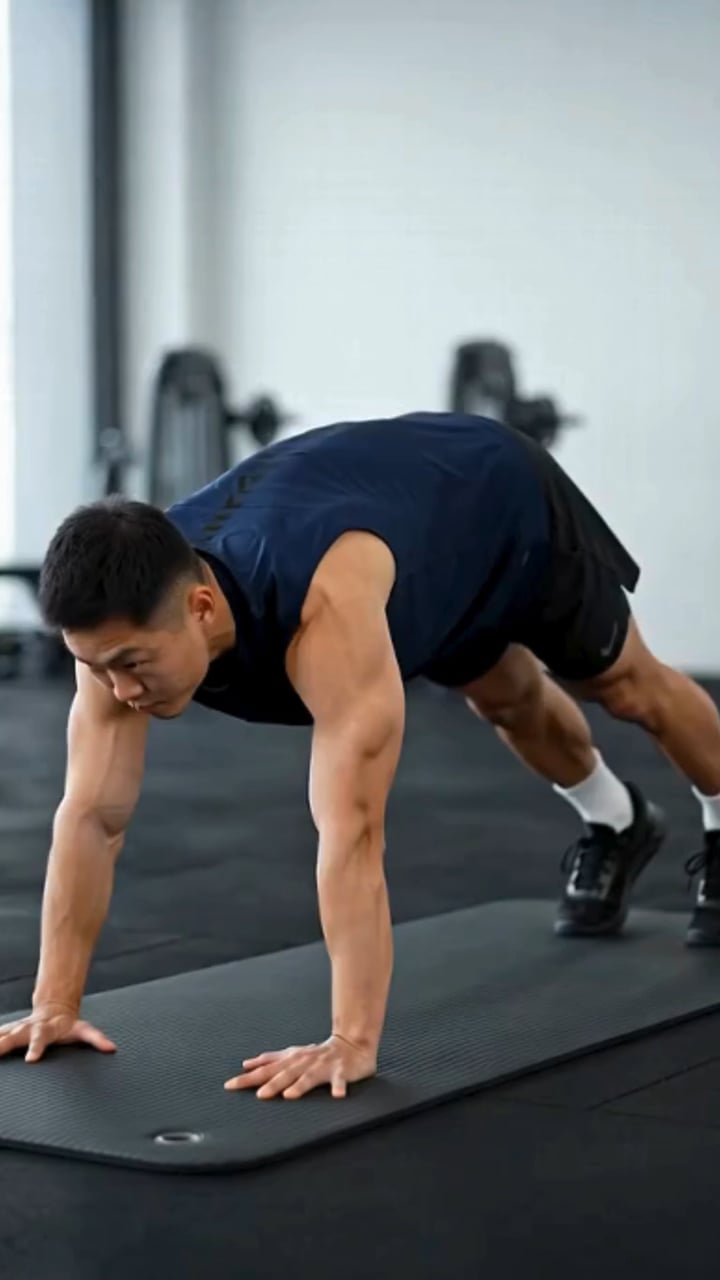
Please read our Medical Disclaimer in the terms and conditions page before starting any exercises.
This is the first exercise:Feel that the muscle engaged is moving your knee up and down touches the other knee very smoothly.Always keep a distance from left and right foot.25 reps each side.
Samething here,both knees are working in an opposite direction,always feel these muscles in between your legs which is moving your knees up and down.25 reps.
In this video lift your back only a little say 25% while most of your back say 75% stay flat on the floor.Feel engagement of pelvic,buttock and stretch of muscles below the belly.25 reps.
This video is similar to the previous on but,this time your full back is engaged.Your shoulder and head are flat on the floor.25 reps
In this video ,you have to lift your back and keep it upstill,at the same time open and close you knees for 25 reps ,then go down.
This exercise will work mostly the muscles below your belly and contraction of your buttock.Knee on the floor sit on your toes and go up with some power.25 reps.
In this exercice ,your arms fully stretched,only your thigh which do the movement up and down slowly in a control manner.25 reps.
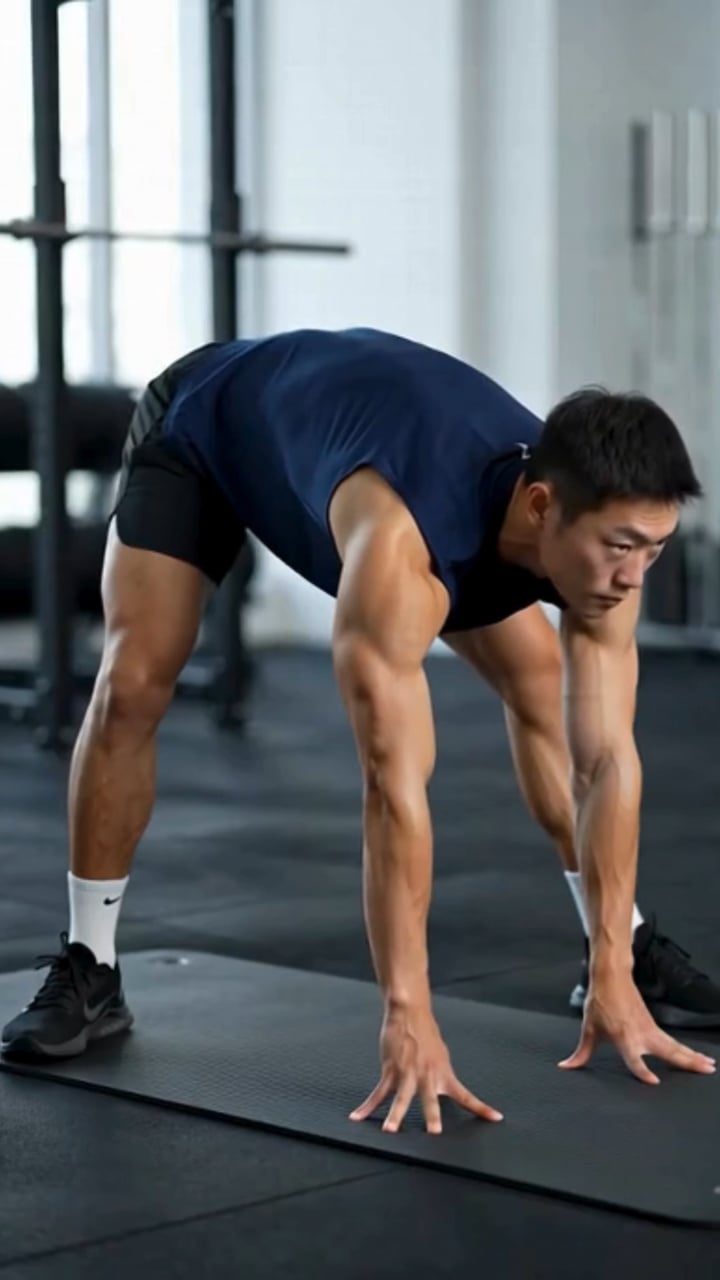
This is a very good exercise,it targets directly your pelvic muscle.Keep your arms mostly stretched,feet stay still apart flat on the floor,move your thigh down and up by bending your knee to some level.Up and down 100 reps if you can.

This exercise is similar to the previous one ,it will target the pelvic more deeply.This time your feet are not flat on the floor ,it's on the tips of the feet.100 reps.
These are some videos and there will be more intense to come.Doing only these exercises can already make you regain confidence and perform better.....Suscribe for future release...
⚠️ Before Starting Pelvic Floor Exercises
These pelvic floor exercises are for educational purposes and general guidance.
Move slowly and with control.
• You should feel a gentle lifting and tightening sensation, not pain.
• If you feel sharp pain, pelvic pressure, abdominal straining, or discomfort — stop immediately.
• Do not hold your breath. Breathe naturally throughout the movement.
• Avoid squeezing your buttocks, thighs, or holding tension in your stomach. The contraction should be subtle and controlled.
• If you have recent pelvic surgery, severe pelvic pain, prostate issues, advanced prolapse, or are under medical treatment, consult a healthcare professional before starting.
Pelvic floor training is about precision, not force.
Consistency and correct technique matter more than intensity.
Listen to your body and progress gradually