Understanding Pelvic Health and Weight Challenges
At digitastream, we share insights and support for those facing erectile dysfunction, pelvic issues, and weight loss struggles.


Pelvic health affects how we move, sit, exercise, and even how confident we feel in our bodies. When we gain weight, it can place extra pressure on the pelvic floor muscles, leading to discomfort, leakage, or a heavy feeling in the lower belly. Many people ignore these signs, thinking they are “normal” with age, childbirth, or weight changes—but they’re actually signals that your body needs support. Simple steps like improving posture, doing gentle pelvic floor exercises, staying hydrated, and managing weight in a healthy, gradual way can make a big difference. If symptoms persist or affect your daily life, speaking with a pelvic health specialist can help you create a personalized, safe plan for both your pelvic care and weight journey.
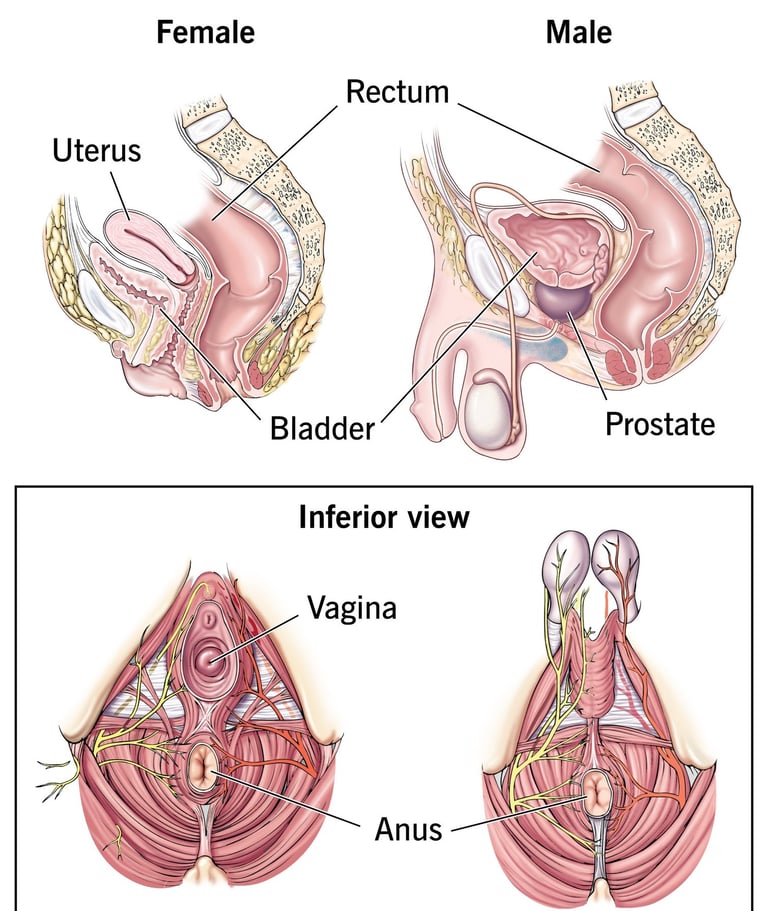
The pelvic floor is a group of muscles that stretch like a hammock from the pubic bone at the front, to the coccyx (tailbone) at the back and from one ischial tuberosity (sitting bone) to the other (side to side).
A male's pelvic floor muscles support his bladder and bowel. The openings from these organs (the urethra from the bladder and the rectum from the bowel) pass through the pelvic floor. The pelvic floor muscles wrap firmly around these passages to help keep them shut.
When the pelvic floor muscles are strong they help prevent the leaking of urine (wee) and faeces (poo). The pelvic floor muscles also help with sexual sensation and function.